The business of feeding the Caribbean
A look at the food economy Meridian serves—the scale of the region's import demand, the Dominican Republic's strategic ascent, where the cold chain is fragile, and what dependable sourcing requires.
The Caribbean food economy
A region that imports most of what it eats, feeding a fast-growing tourism economy.
- 60%+of the food it consumes is imported
- $6B+annual CARICOM food-import bill
- 34.2MCaribbean tourist arrivals, 2024
- $2Brecord US processed-food exports, 2024
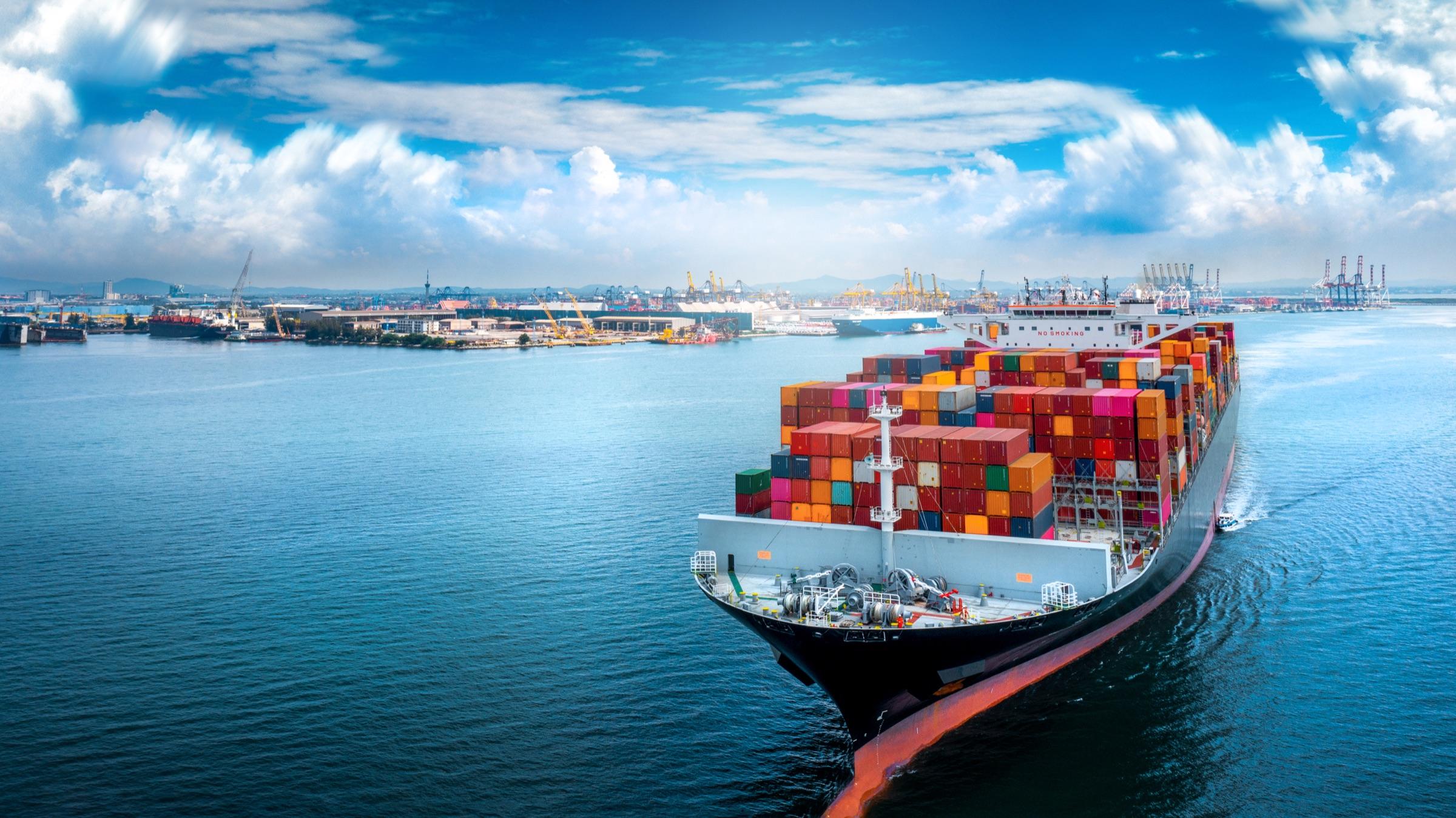
The Caribbean feeds a population and a tourism economy far larger than it grows for itself—most of what reaches the table, especially protein and premium product, arrives by sea on a cold chain that has to hold from the mainland to the island.
That dependency is also the opportunity: as arrivals climb and resorts compete on quality, the region’s kitchens need suppliers who deliver consistency at scale, not just the lowest price.
A strategic ascent
The region's most dynamic economy is moving up the value chain—and raising the bar for everything that supplies it.
- $500M+Google digital exchange hub — first in LatAm
- $600M+Pedernales spaceport
- $5B+record foreign investment, 2025
- $16Bexports, 2024 (+14.4%)
- 1000+professionals AI-trained by 2026
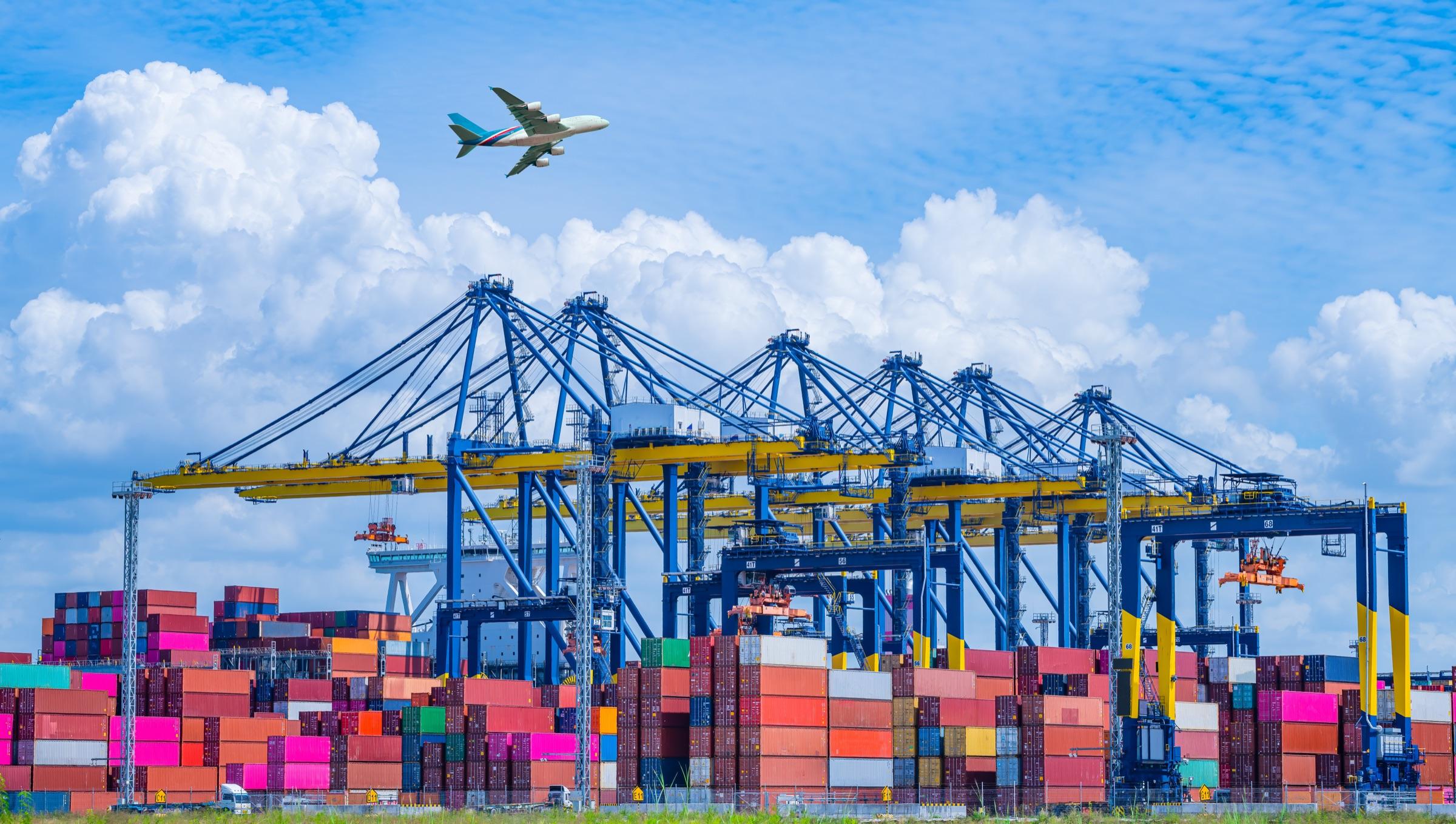
The Dominican Republic is no longer only a sun-and-sand destination—it is moving decisively up the value chain. The convergence of Google’s first digital exchange hub in Latin America, NVIDIA’s first-in-region AI center of excellence (training more than 1,000 professionals by 2026 via its Deep Learning Institute, plus a National AI Factory for data sovereignty), the planned Pedernales spaceport, and record foreign investment is positioning the country as an emerging technology and AI hub for the Caribbean and Central America.
Infrastructure, connectivity, and capital on this scale don’t just modernize an economy—they raise the bar for everything that supplies it, the food on the table included.
Converging on
Dominican Republic
Google digital exchange hub
first in LatAm
NVIDIA AI Center of Excellence
1,000+ trained by 2026
Pedernales spaceport
$600M+
Record FDI
$5B+ in 2025
Milestones 2025–2028
2025
Record foreign investment year
Oct 2025
NVIDIA CEIA partnership signed
Mar 2026
Google hub construction begins
Late 2026
Spaceport groundbreaking
Early 2027
Google hub goes live
By May 2028
First launch targeted
What this means for premium food sourcing
The case the data makes—for clients and investors alike.
Strategic ascent & FDI
Tourism & population growth
Rising premium-food demand
Larger, reliability-driven import market
Put the cited numbers together and the trajectory is clear. A strategically ascending Dominican Republic—drawing record investment and building world-class connectivity—sits atop a tourism economy already welcoming 34.2 million arrivals a year, in a region that imports more than 60% of its food, with the United States as the dominant supplier. Each of those facts points the same way: an expanding, premiumizing market for dependable, cold-chain provisioning.
As hospitality competes on guest experience and the country’s ports and infrastructure modernize, sourcing decisions shift. The advantage moves from whoever is cheapest to whoever is most reliable—suppliers who hold quality and consistency at scale, shipment after shipment. That is the segment that grows fastest as a market premiumizes.
Meridian is built for exactly that segment: premium provisioning where reliability, food safety, and consistency define the relationship, not the lowest unit price. Meridian’s strategy is aligned with where this market is heading, not where it has been.
Where the cold chain breaks
Every handoff is a place temperature control can fail—and the losses compound.
- ~1 dayof shelf life lost for every hour of delay before pre-cooling
- ~20%of global food loss stems from an incomplete cold chain
- 20–25%of a load can be lost to cold-chain failures in transit
- Up to 60%beef shelf life cut by intermittent temperature failures
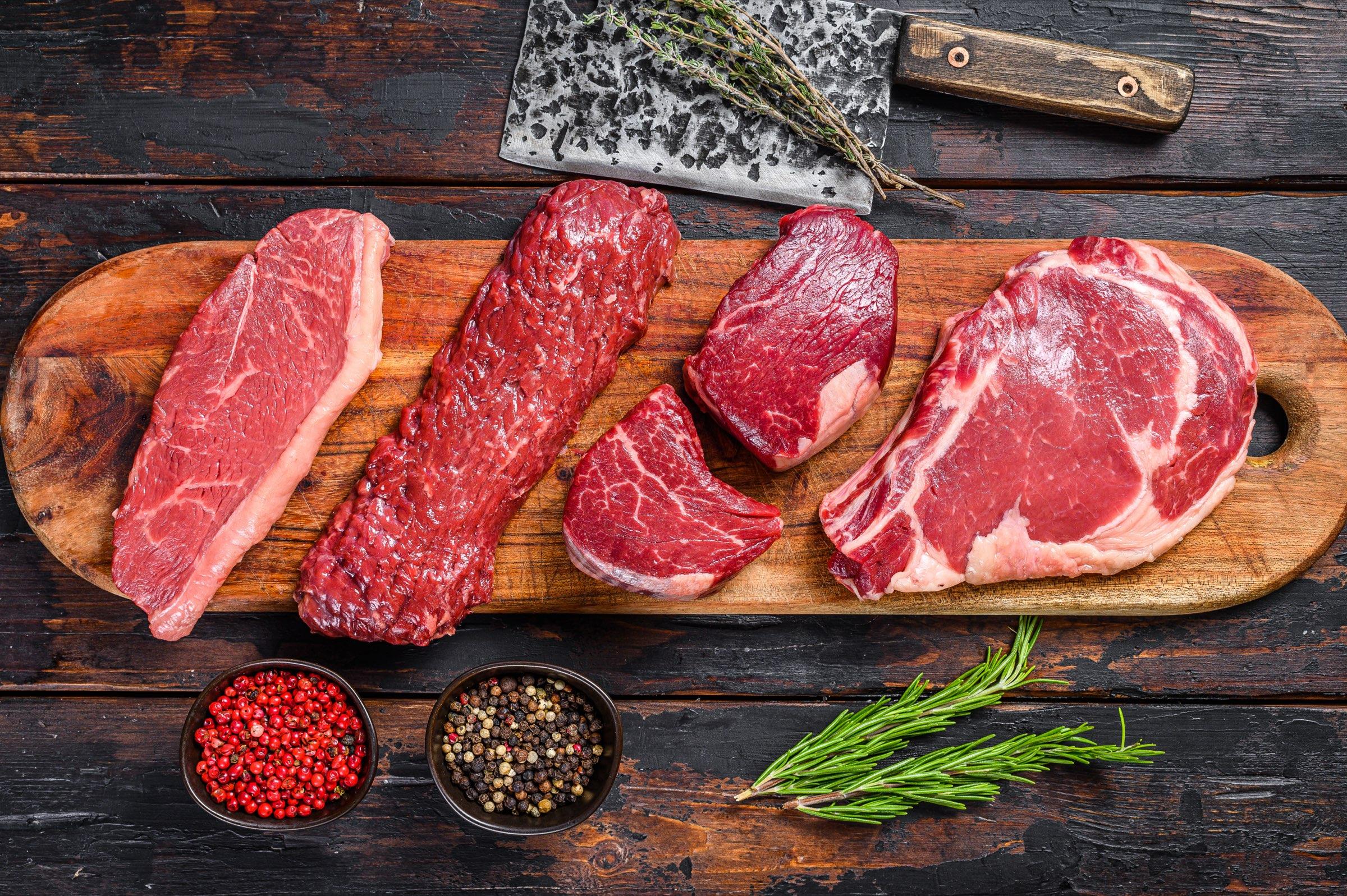
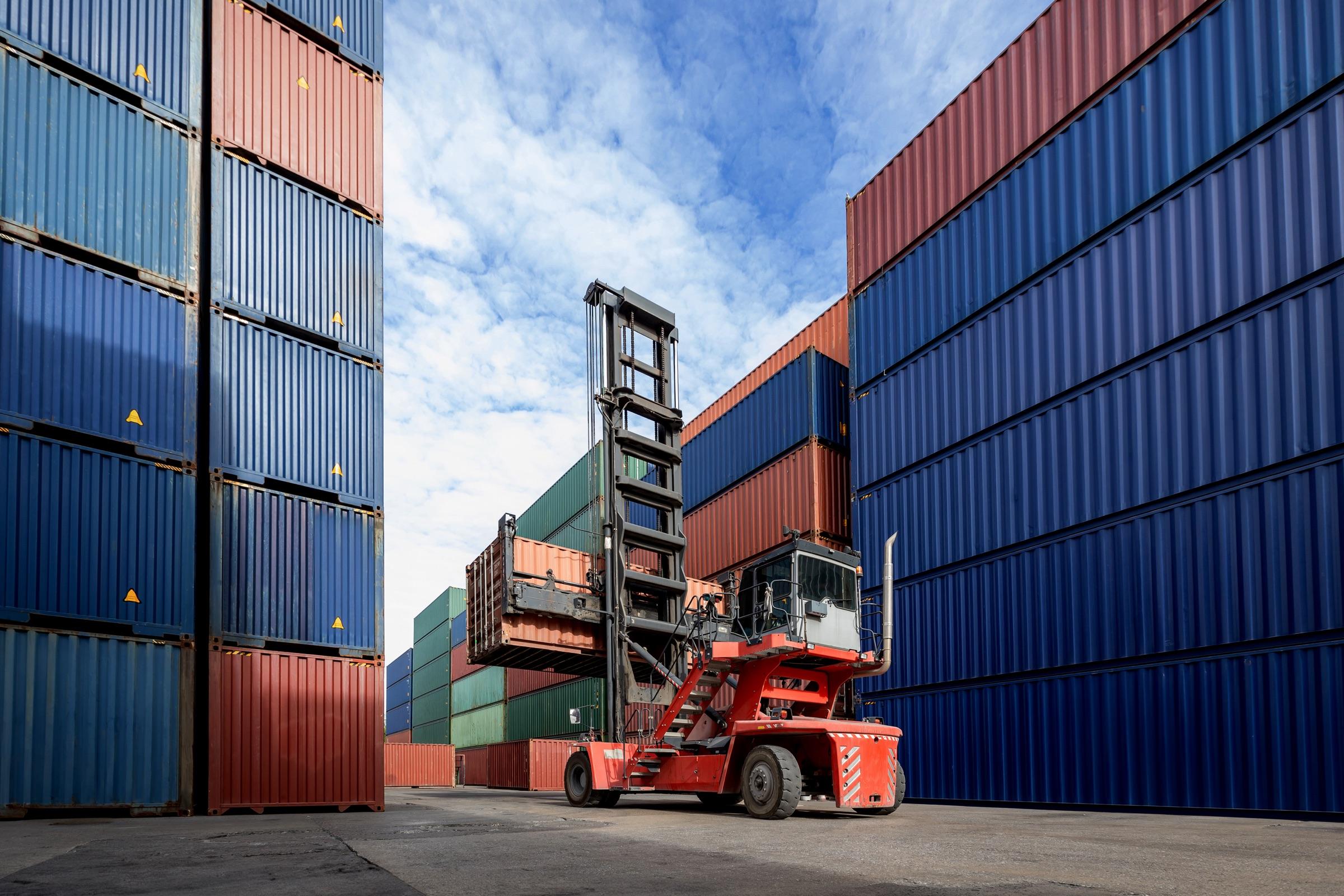
Every handoff in this journey is a place the cold chain can break—and the island leg compounds it. Failures in transit alone can cost 20–25% of a load; an incomplete cold chain accounts for an estimated 20% of global food loss; and for proteins the damage is steep—intermittent temperature failures can cut beef shelf life by as much as 60%, while even an hour’s delay before pre-cooling costs roughly a day of it. Across thousands of miles and multiple borders, documented, unbroken temperature control is the difference between arrival and waste.
What dependable sourcing requires
The requirements this market sets for any serious supplier.
Unbroken, logged cold chain
Temperature held and documented from plant to plate.
US-side compliance
FSIS-regulated facilities and FSMA-aligned transport.
DR-side compliance
Sanitary registration through DIGEMAPS.
Customs fluency
CAFTA-DR preference and the SIGA customs system.
Consistency at scale
For resort and hospitality (HRI) demand, shipment after shipment.
Dependable Caribbean provisioning sets a clear bar. It requires an unbroken, temperature-logged cold chain from plant to plate; compliance on the US side (FSIS-regulated facilities, FSMA-aligned transport); compliance on the DR side (sanitary registration through DIGEMAPS); fluency in customs and trade preference (CAFTA-DR, the SIGA system); and the consistency to serve resort and hospitality demand at scale. These are the requirements any serious supplier to this market must meet.
Why Meridian
Built for where this market is heading
From the scale of the region’s appetite to the ascent of its leading economy, the picture is consistent: the Caribbean’s premium-food market is growing, premiumizing, and unforgiving of supply that fails. Meridian is built to be the partner that market rewards—focused on reliability, food safety, and consistency at scale.