
Provisions for Caribbean hospitality
Premium provisions, delivered pristine to the Caribbean’s finest tables.
Quality meats, poultry, and provisions—sourced with care and handled to arrive fresh for the resorts, hotels, and restaurants that set the region’s table.
Meridian Provisions & Trade
Sourced with purpose, delivered with precision.
Inside the journey, step by step
How refrigerated meats and poultry travel from US processing facilities to Caribbean kitchens—and the regulatory checkpoints that keep the cold chain intact along the way.
Origin / Procurement
Sourcing at the plant
Product cut to spec, inspected, vacuum-sealed, boxed and palletized at refrigerated, USDA FSIS-regulated meat & poultry facilities. The United States supplies close to half of the Caribbean's consumer-food imports, and US processed-food exports to the region reached a record near $2 billion in 2024 — much of it protein moving through this first, tightly controlled step.
Origin / Procurement
- Product cut to spec, inspected, vacuum-sealed, boxed and palletized at refrigerated, USDA FSIS-regulated meat & poultry facilities. The United States supplies close to half of the Caribbean's consumer-food imports, and US processed-food exports to the region reached a record near $2 billion in 2024 — much of it protein moving through this first, tightly controlled step.
- Product brought to setpoint and loaded directly into a pre-cooled reefer container at the plant, minimizing handling breaks to protect shelf life. The payoff is measured in days: source-loading into a pre-cooled reefer can extend chilled-meat shelf life by roughly 25 days, while every hour of delay before pre-cooling can cost about a day of that shelf life.
Transit
- FSMA-compliant reefer trucking to the gateway port with continuous temperature logging. The stakes are high from the first mile: cold-chain failures in transit can translate into product losses of 20–25%, which is why continuous logging and FSMA-aligned handling matter throughout.
- Reefer connected to shore power at the terminal; export documentation prepared. The journey commonly routes through Port Everglades, FL — the leading US gateway for refrigerated perishables to Latin America and the Caribbean. That gateway role is concentrated: roughly 90% of Port Everglades' trade moves to and from Latin America and the Caribbean, anchoring the cold-chain infrastructure product depends on.
- Reefer held at setpoint aboard vessel, temperature documented throughout the voyage. The ocean leg is where lapses compound: intermittent cold-chain failures can cut beef shelf life by as much as 60%, and an estimated 20% of global food loss traces back to an incomplete cold chain — making documented, unbroken temperature control the difference between arrival and waste.
Destination
- Import declaration filed through the DR's SIGA automated customs system; advance/pre-arrival declaration can clear in hours. Qualifying US goods receive preferential treatment under CAFTA-DR. Clearance in the Dominican Republic averages two to three days, but an advance or pre-arrival SIGA declaration can clear qualifying shipments in hours — and goods that meet CAFTA-DR rules of origin receive preferential tariff treatment.
- Agricultural/sanitary inspection on entry; food products carry Sanitary Registration through DIGEMAPS. The stakes of inspection are real: in one regional benchmark, 18% of food exports to the EU were rejected over temperature or labeling violations — the kind of failure compliant handling is designed to prevent.
- Cleared cargo moves to temperature-controlled storage, then refrigerated final-mile delivery to resorts, hotels, restaurants, and distributors. Demand at the end of the chain is concentrated and unforgiving: the DR's largely all-inclusive resorts serve millions of visitors a year, and hospitality (HRI) is the largest driver of premium food imports — a segment where consistency and resilience outweigh nominal cost.
Three categories, held to one standard
Meats, poultry, and provisions—each sourced and handled with the same attention to quality, for the resorts, hotels, and restaurants at the heart of Caribbean hospitality.
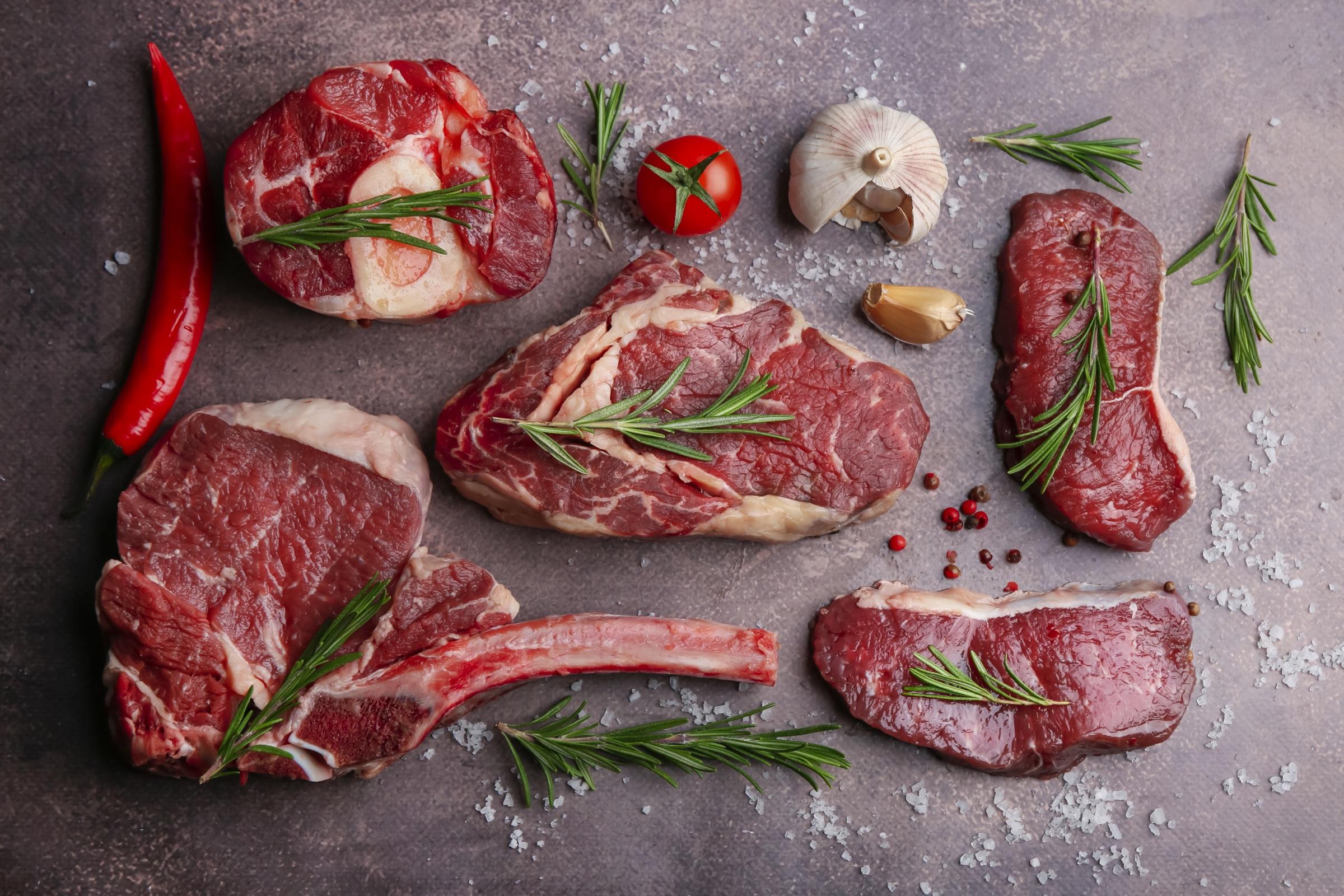
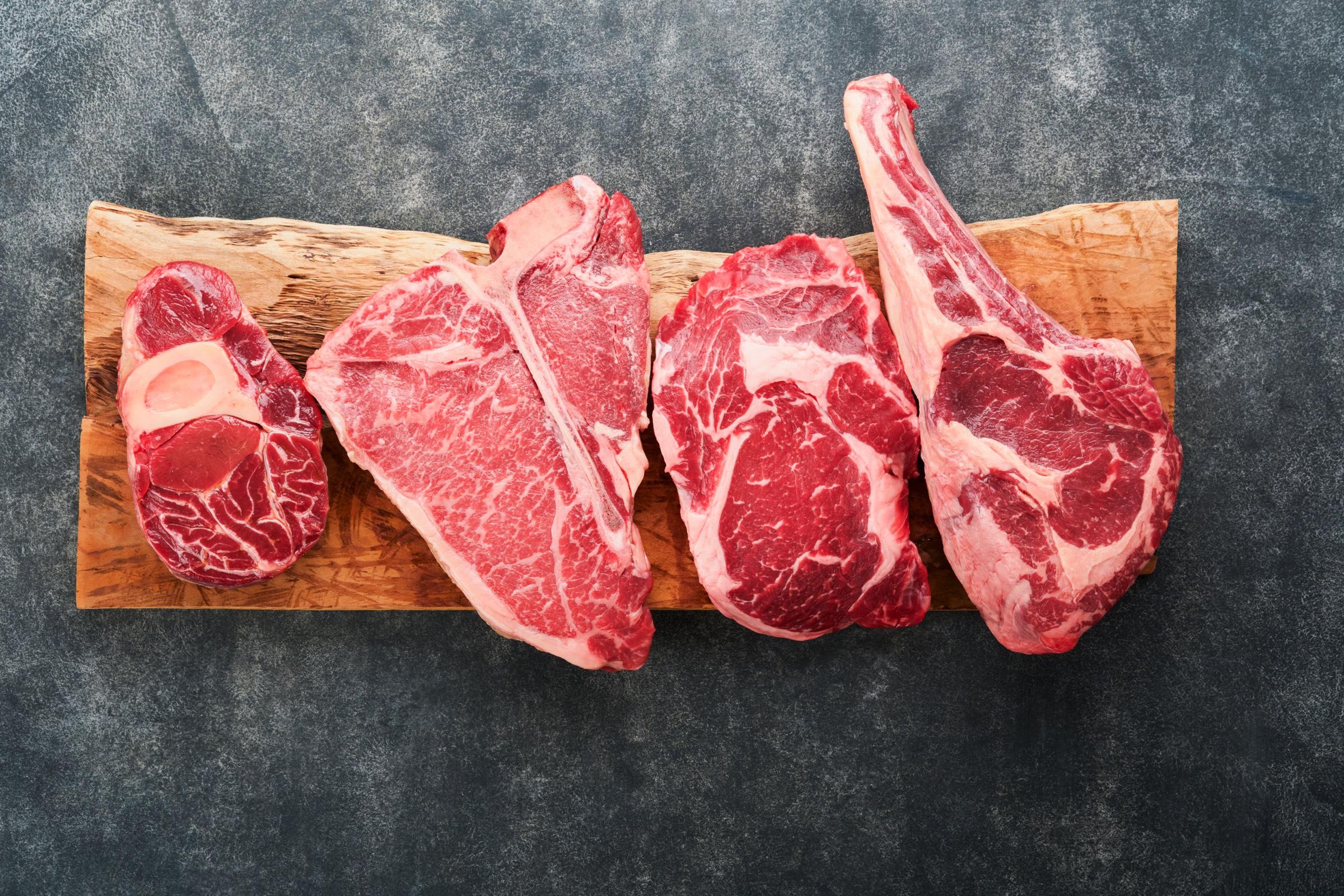
Meats
Premium cuts, selected for quality and consistency.
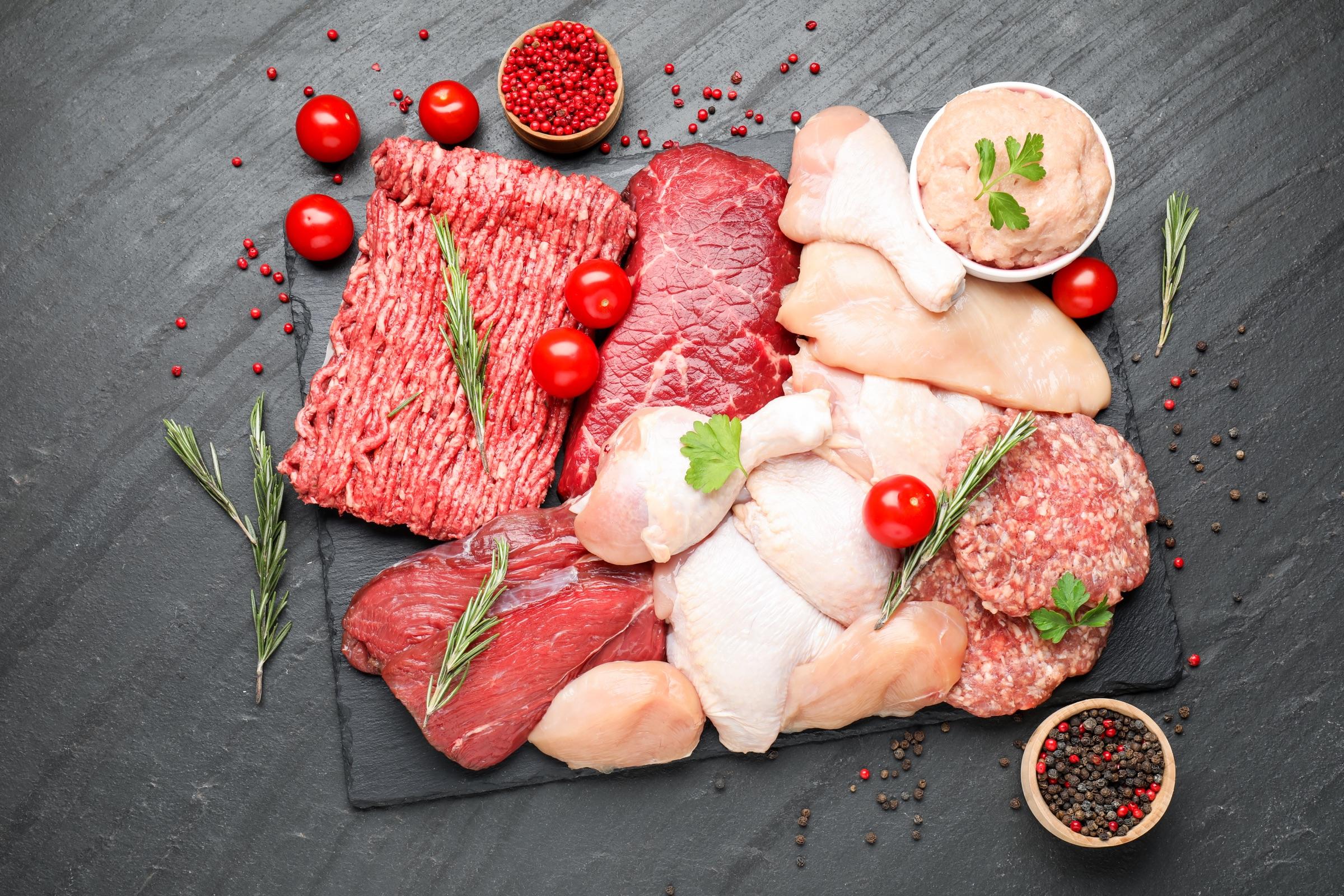
Poultry
Sourced with care for freshness and dependable quality.
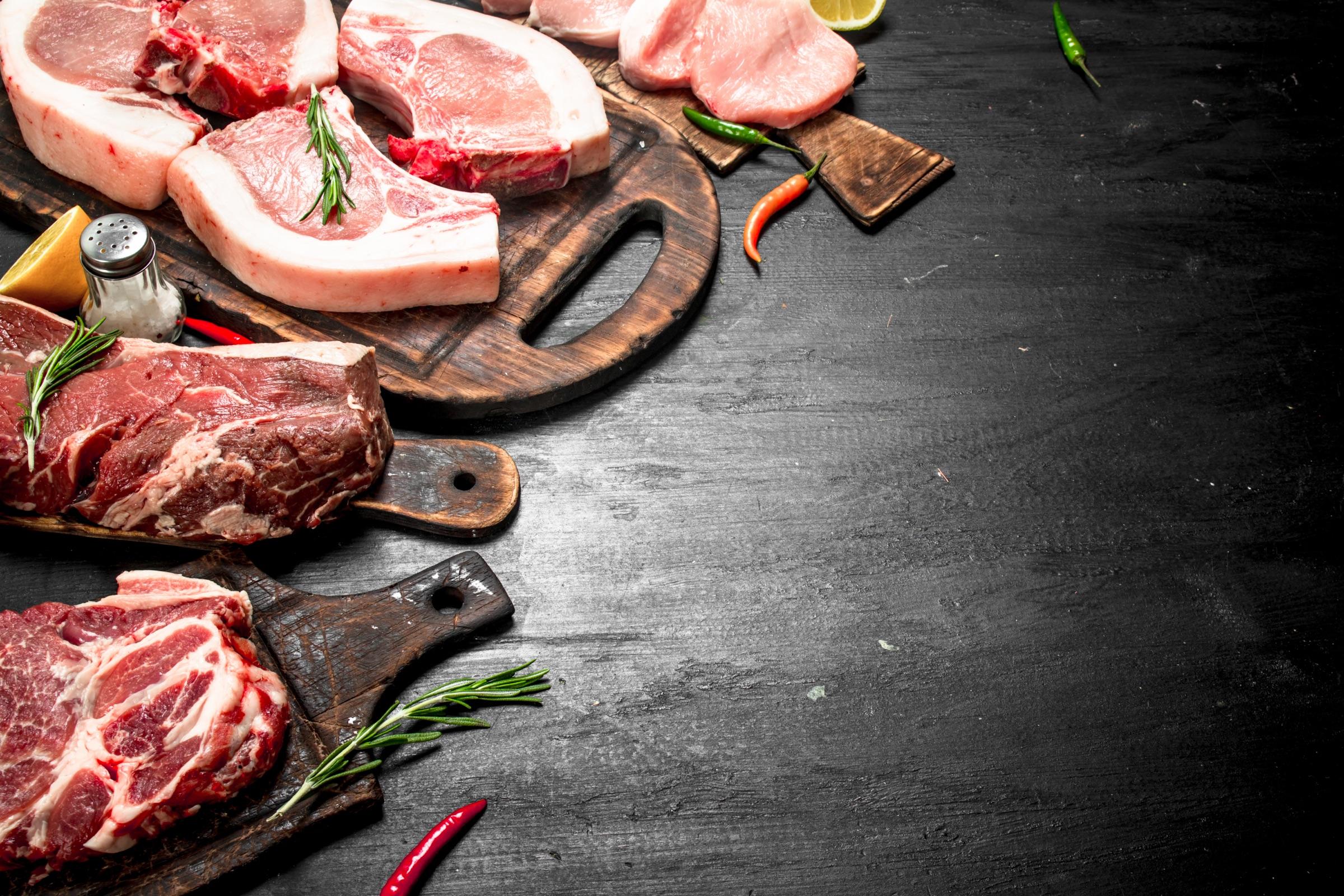
Provisions
Bundled protein-plus-sides programs, built around how kitchens plate.
The opportunity and the risk
The Caribbean's appetite is large—and the cold chain that feeds it is fragile.
The opportunity
The risk
The Caribbean imports more than 60% of the food it consumes, feeding a tourism economy that runs on dependable supply. But every border and handoff is a place the cold chain can break—and an incomplete cold chain accounts for roughly a fifth of global food loss. The opportunity and the risk are two sides of the same market.
A market expanding as Meridian launches
Several forces are converging at once.
Duty-free
CAFTA-DR — qualifying U.S. protein, since Jan 2025
- 11.6MDR visitors, 2025
- 17K+hotel rooms in the pipeline
- 16%tourism share of GDP
As of January 2025, CAFTA-DR is fully phased in—qualifying U.S. protein enters the Dominican Republic duty-free—while record tourism and a deep resort pipeline point to years of growth. The market is expanding at exactly the moment Meridian launches.
A principal trader built for this market
U.S.-plant sourcing discipline
End-to-end cold-chain integrity
Regulatory & compliance mastery
Meridian is a U.S.-based principal trader built to bridge American protein producers and Caribbean hospitality kitchens—taking ownership of the product and managing cold-chain integrity and compliance end to end.